Rwanda lifts eight-year ban on South African agricultural products
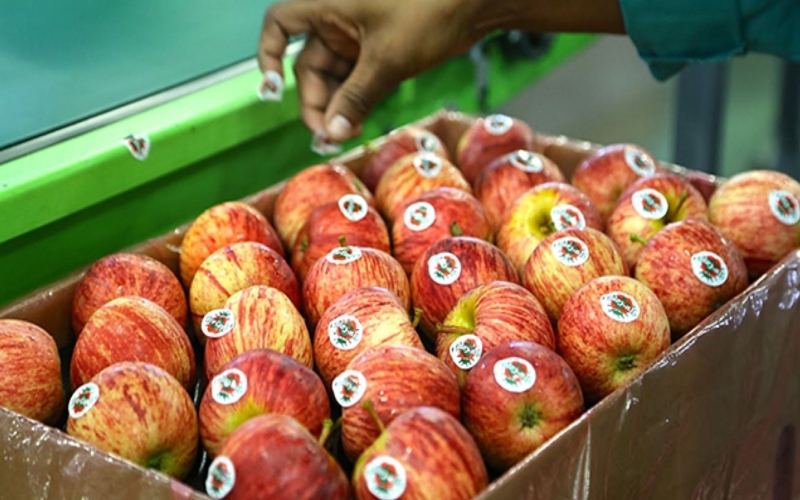
The ban had been imposed in December 2017 on the importation of meat, dairy and milk products, fruits and vegetables from South Africa.
Rwanda has lifted a nearly eight-year ban on the importation of agricultural and animal products from South Africa.
The ban had been imposed in December 2017 on the importation of meat, dairy and milk products, fruits and vegetables from South Africa.
More To Read
- Over 60,000 African penguins died as sardines disappeared from South Africa’s waters, study finds
- UN hails DR Congo-Rwanda peace deal amid ongoing hostilities in the east
- Scepticism grows over DR Congo-Rwanda peace deal
- Report links 60,000 penguin deaths to sardine decline, poor fisheries management
- African leaders hail historic peace agreement between Rwanda and DRC
- DR Congo, Rwanda vow to uphold Trump-backed peace deal
This served as precautionary measures taken following the outbreak of Listeriosis in South Africa.
Listeriosis is an illness – food poisoning – you can get from eating something contaminated with Listeria bacteria, which is responsible for the disease. Its common symptoms include fever, headache and diarrhoea. It’s treatable with antibiotics.
According to the Minister of Agriculture and Animal Resources, Mark Cyubahiro Bagabe, the measure aimed to safeguard public health from Listeria monocytogenes, a bacterium known to cause serious illness, particularly among high-risk groups such as pregnant women, newborns, the elderly and immune-compromised individuals.
“After thorough verification and confirmation by relevant authorities that South Africa is now free from Listeriosis, the Ministry hereby announces that the ban on the importation of agricultural and animal products from South Africa is officially lifted,” Bagabe said in a statement on Friday, November 14.
The minister stated that he appreciates the cooperation of all importers, traders and the general public during the implementation of this precautionary measure and urges continued compliance with national food safety standards to protect consumer health.
Top Stories Today